Every knife has a story behind it
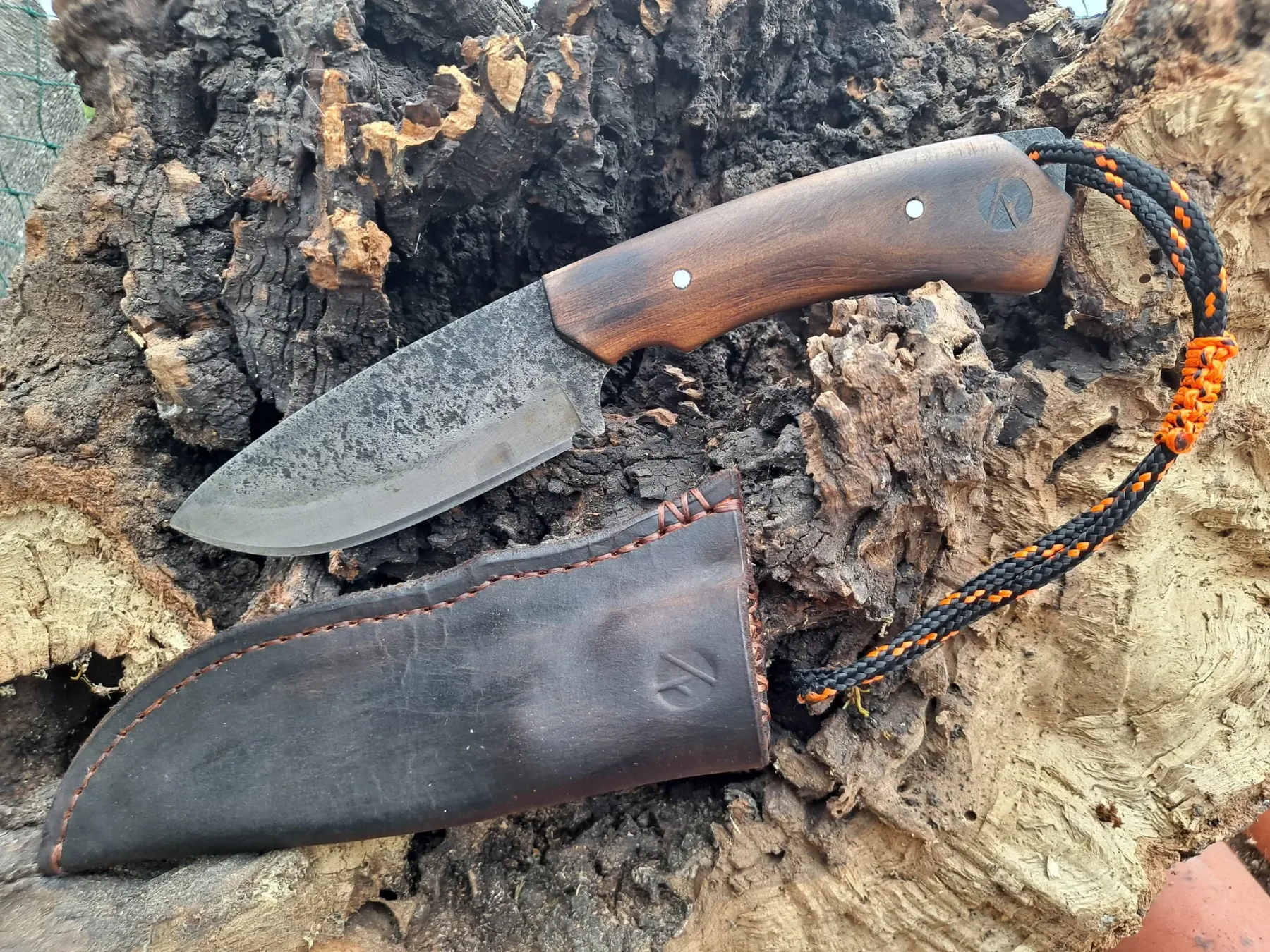
If we were to place a Japanese kitchen knife, an American Bowie knife, and an Indonesian kris side by side, we would hardly say they belong to the same family. And yet, they all stem from the same question: what does this community need to have in its hands? The answer varies from place to place, and that is what gives cutlery its enormous diversity.
First, the material
A cutler works with whatever he can get. In many regions of Africa, handles and finishes are made from wood, horn, and other local materials, chosen for their affordability and durability. Elsewhere, the tradition of working with high-quality steel and treating it with great care has led to blades of extreme precision. The starting point is almost always practical, but it eventually becomes part of the identity.
Next, what will be cut
The kitchen shapes the blade. In Japan, knives such as the santoku and the nakiri were designed for clean, precise cuts, tailored to the way food is prepared there. The Bowie knife, on the other hand, associated with North America, is large and heavy because the lifestyle of hunting and survival called for a sturdy tool capable of doing a little bit of everything far from any help.
Finally, what the blade signifies
Some knives exist for purposes beyond simply cutting. The Indonesian kris, with its asymmetrical, wavy blade, is linked to religious and cultural ceremonies and is treated as an object of great symbolic value. Here, the shape isn’t just for cutting—it’s for telling a story.
What remains for those who craft by hand
Available materials, daily habits, cuisine, beliefs: all of this ends up etched into the steel. That’s why, at AF Knifeworks, each piece begins with a conversation about who will use it and for what purpose. A well-made knife isn’t just sharp; it’s tailored to a way of life.